NFPA 25: What Property Owners Need to Know About Fire Protection Testing
NFPA 25 sets the standard for inspecting, testing, and maintaining water-based fire protection systems. Here's what property owners in Texas need to understand to stay compliant and keep their buildings safe.
If you own or manage a commercial property in Texas, there's a good chance you've heard someone mention "NFPA 25" in passing. Maybe it came up during a fire inspection, or your insurance company referenced it in a letter. But what exactly is NFPA 25, and why should you care about it?
At 1-A Services, we've been helping property owners across the Dallas-Fort Worth area navigate fire protection compliance for years. We're a family-owned company based in Boyd, Texas, and we believe that understanding the rules shouldn't require a law degree. So let's break NFPA 25 down in plain English.
What Is NFPA 25?
NFPA 25 is the Standard for the Inspection, Testing, and Maintenance of Water-Based Fire Protection Systems, published by the National Fire Protection Association. It covers everything from fire sprinkler systems and standpipes to fire pumps, water storage tanks, fire hydrants, and underground fire mains.
Think of NFPA 25 as the rulebook that tells you how often your fire protection equipment needs to be checked, what those checks should look like, and who's responsible for making sure it all happens. It's not a suggestion — it's adopted into law by most jurisdictions in Texas, which means failing to follow it can result in fines, failed inspections, and even insurance claim denials.
Why NFPA 25 Matters for Texas Property Owners
Here's the thing most property owners don't realize: having a fire protection system installed isn't enough. That system has to work when it's needed. NFPA 25 exists because fire protection equipment degrades over time. Valves corrode, pipes develop leaks, sprinkler heads get painted over, and fire hydrants seize up from lack of use.
If a fire breaks out and your system fails because it wasn't properly maintained, you're looking at potential liability, property loss, and — worst case — loss of life. Beyond the safety implications, your insurance carrier almost certainly requires NFPA 25 compliance. A failed system during a claim investigation can lead to denied coverage, and that's a financial disaster most property owners can't afford.
Key Components Covered by NFPA 25
NFPA 25 covers a wide range of water-based fire protection systems. Here are the major ones that affect most commercial property owners in Texas:
Fire Sprinkler Systems
Sprinkler systems need visual inspections on a regular basis — some components weekly, others monthly, quarterly, or annually. Flow tests, trip tests for dry systems, and internal pipe inspections are all part of the schedule. Obstructed or damaged sprinkler heads must be replaced promptly.
Fire Hydrants
Private fire hydrants on your property need annual flow testing and inspection. This includes checking for proper drainage, lubricating operating stems, and verifying that caps and chains are in place. Many property owners don't realize that the hydrants on their property are their responsibility — not the city's.
Fire Pumps
Fire pumps must be tested weekly (a quick churn test) and annually (a full flow test). The annual test measures the pump's performance against its original rated capacity to make sure it can still deliver the water pressure your system needs.
Standpipes and Hose Systems
Standpipe systems require flow tests every five years, along with regular visual inspections of hose connections, valves, and pressure-reducing devices.
Underground Fire Mains
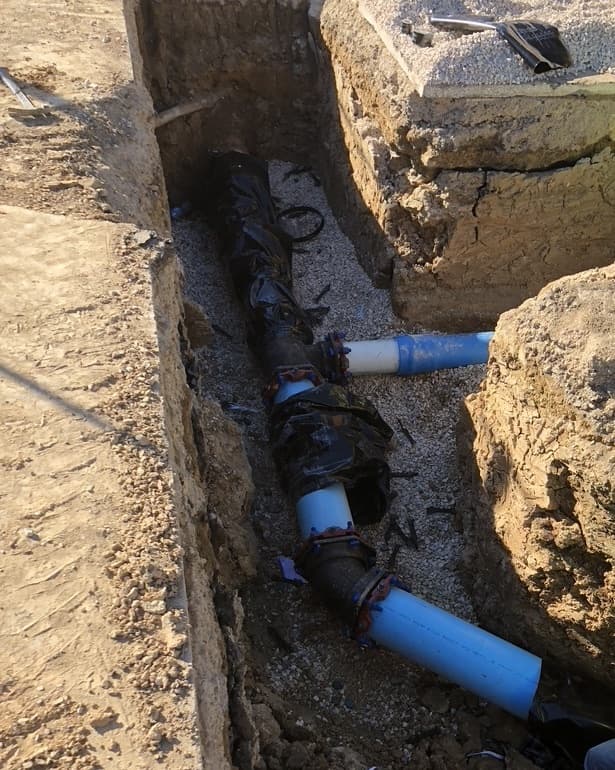
Underground piping needs flow testing and visual inspection of exposed components. If you've noticed unexplained wet spots on your property or a spike in your water bill, you could have an underground fire line leak that needs immediate attention.
Post Indicator Valves (PIVs)
PIVs control the flow of water to your fire protection system. They need to be inspected regularly to ensure they're in the open position and operating correctly. A closed or malfunctioning PIV can render your entire fire suppression system useless.
The NFPA 25 Inspection Schedule
One of the most common questions we get is, "How often do I need to have things inspected?" The answer depends on the component, but here's a simplified breakdown:
- Weekly: Fire pump churn tests, visual inspection of gauges and valve positions
- Monthly: Visual inspection of sprinkler system components, valve status checks
- Quarterly: Alarm device testing, waterflow alarm tests, valve supervisory signal tests
- Annually: Full sprinkler system inspection, fire hydrant flow tests, fire pump performance tests, backflow preventer testing, PIV inspections
- Every 3 Years: Dry sprinkler system internal inspections
- Every 5 Years: Standpipe flow tests, internal pipe inspections, fire hydrant gasket replacement
Keep in mind that these are minimum requirements. If your system has known issues or is in a harsh environment, more frequent inspections may be warranted.
Who Can Perform NFPA 25 Inspections?
NFPA 25 requires that inspections be performed by qualified personnel. In Texas, that means working with a licensed fire protection company that understands both the NFPA standards and the specific requirements of your local authority having jurisdiction (AHJ). Not every plumber or general contractor is qualified to inspect fire protection systems, even if they're willing to try.
At 1-A Services, our team is trained and licensed to perform the full range of NFPA 25 inspections and testing. We handle everything from backflow preventer testing and fire hydrant inspections to underground fire line leak detection and post indicator valve repairs.
Common NFPA 25 Violations We See in Texas
After years of working with commercial properties across the DFW metroplex, we see the same violations come up again and again:
- Missed annual inspections: This is the most common issue. Property owners simply forget or don't realize inspections are due.
- Painted or obstructed sprinkler heads: After a renovation or paint job, sprinkler heads get covered. This can prevent them from activating during a fire.
- Closed or partially closed control valves: Someone closes a valve for maintenance and forgets to reopen it. This is more common than you'd think.
- Corroded or leaking underground fire lines: Out of sight, out of mind — until the water bill spikes or the system fails a flow test.
- Expired or missing fire extinguishers: While technically covered under NFPA 10 rather than NFPA 25, we often find extinguisher issues during property inspections.
What Happens If You're Not Compliant?
The consequences of NFPA 25 non-compliance can be serious:
- Failed fire inspections from your local fire marshal, which can result in fines or even occupancy restrictions
- Insurance premium increases or policy cancellations
- Denied insurance claims if a fire occurs and your system wasn't properly maintained
- Legal liability if someone is injured due to a non-functioning fire protection system
How 1-A Services Can Help
We know that keeping track of all these inspection schedules and requirements can feel overwhelming, especially if you're managing multiple properties. That's where we come in. As a family-owned business, we treat every customer like a neighbor — because in many cases, you are. We'll help you understand exactly what your property needs, set up a maintenance schedule that keeps you compliant, and handle the testing and repairs so you can focus on running your business.
Whether you need backflow testing, fire hydrant inspections, underground fire line repairs, or post indicator valve service, 1-A Services has you covered across the Dallas-Fort Worth metroplex and beyond. Give us a call and let's make sure your property is protected — and compliant.